Voice use cases
Fakeyou Examples Voice for Practical Projects
Fakeyou examples voice are easiest to understand in context: a short script, a clear audience, and a defined purpose. Use these scenarios to shape better voice experiments before you hand a prompt to the partner tool.
Related guides
Continue exploring voice workflows
- fakeyou text to speech See how written scripts can be structured for a text-to-speech voice workflow.
- fakeyou voice to voice Compare a source performance with a transformed voice concept when the delivery matters.
- how to use fakeyou voice Follow a practical sequence for preparing a prompt, reviewing a result, and refining the next take.
Set expectations
When voice examples fall short
A convincing demo is not automatically a finished production asset. These limitations help you decide what to test, what to review, and what needs a human-led workaround.
A short sample cannot prove long-form consistency
A voice may sound suitable in one sentence but shift in pacing, emphasis, or pronunciation across a longer script.
What to do instead
Test several sentences with names, numbers, transitions, and emotional changes before choosing a direction.
A familiar style is not permission to impersonate
Voice examples can suggest tone, age, energy, or character without establishing rights to copy a real person or protected performance.
What to do instead
Use fictional briefs, obtain permission where needed, and describe qualities instead of naming a living person.
Synthetic delivery still needs editorial review
A generated take can misread context, stress an unexpected word, or sound inappropriate for the audience and setting.
What to do instead
Listen line by line, check pronunciation, and have a responsible reviewer approve anything public-facing.
A demo does not replace a complete production workflow
An example may omit music, room tone, timing edits, accessibility review, and the final delivery requirements of a project.
What to do instead
Treat the voice result as a draft reference and complete the remaining production steps separately.
Three workflows
Three concrete voice workflows
Each workflow starts with a narrow brief and ends with a reviewable result. The goal is not to chase a perfect first take, but to make each voice test easier to compare.
-
1
Write the scene brief
Name the audience, setting, duration, emotional register, and speaking purpose. For example, describe a calm science host explaining one idea to a young audience in under 30 seconds.
-
2
Generate a focused sample
Use one short script with pronunciation-sensitive words and a clear delivery direction. Keep the first test narrow so you can tell whether the voice, pacing, and tone fit the scenario.
-
3
Review and refine
Compare the result against the brief, mark awkward words or tonal changes, then adjust one variable at a time. Save the strongest wording as a reference for the next Fakeyou voice experiment.
Sample result
Example output
A useful comparison shows the difference between an unfocused request and a brief that gives the voice a job, audience, and delivery direction.

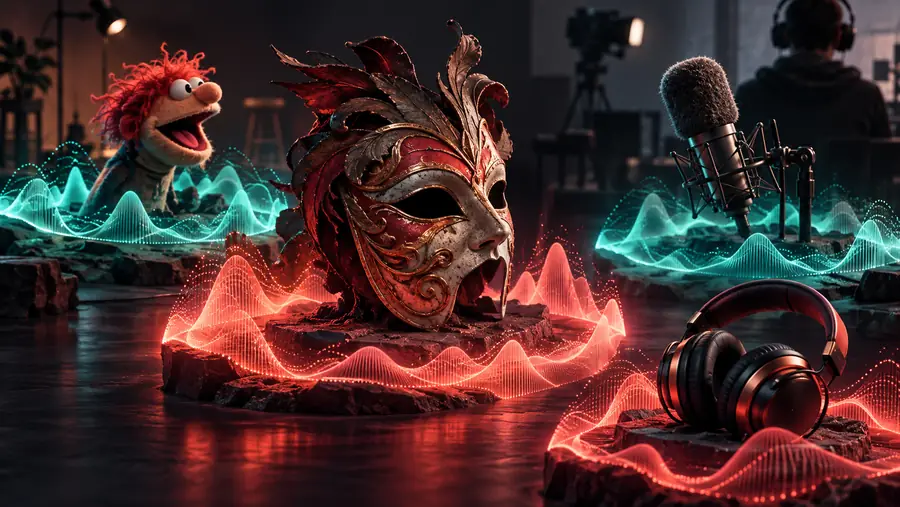
The pair is illustrative: judge the result against the audience, script, pronunciation, and intended use rather than visual polish alone.
Loose briefScenario-led briefCompliance notes
Use Fakeyou examples to explore fictional characters, educational scenarios, and clearly authorized projects. Avoid presenting a generated voice as a real person's statement, and do not imply endorsement, sponsorship, or participation when none exists. Before publishing, review consent, publicity rights, platform rules, disclosure expectations, and the sensitivity of the audience.
Keep every voice example responsible
- Prefer fictional briefs and original scripts
- Review pronunciation and meaning before sharing
- Label synthetic or transformed audio when context requires it
Common questions
Scenario FAQ
Start with a short fictional scenario such as a museum guide, science explainer, character introduction, or event announcement. These projects make the audience, tone, and speaking purpose easy to define without requiring a complex production.
Build ideas around a specific job for the voice rather than a famous identity. Try a calm narrator for a short story, an energetic host for a fictional show segment, or a clear instructional voice for a classroom-style explanation.
Use the same script or equivalent sentences and listen for pronunciation, pacing, emphasis, and consistency. Then judge whether the delivery fits the audience and scenario, not just whether the voice sounds impressive in isolation.
They may require additional review before publication. Check authorization, publicity and consent considerations, disclosure expectations, platform rules, and whether the result could mislead listeners about who actually spoke.